Red Onyx: Meaning, Benefits, and Healing Properties
RED ONYX
Introduction
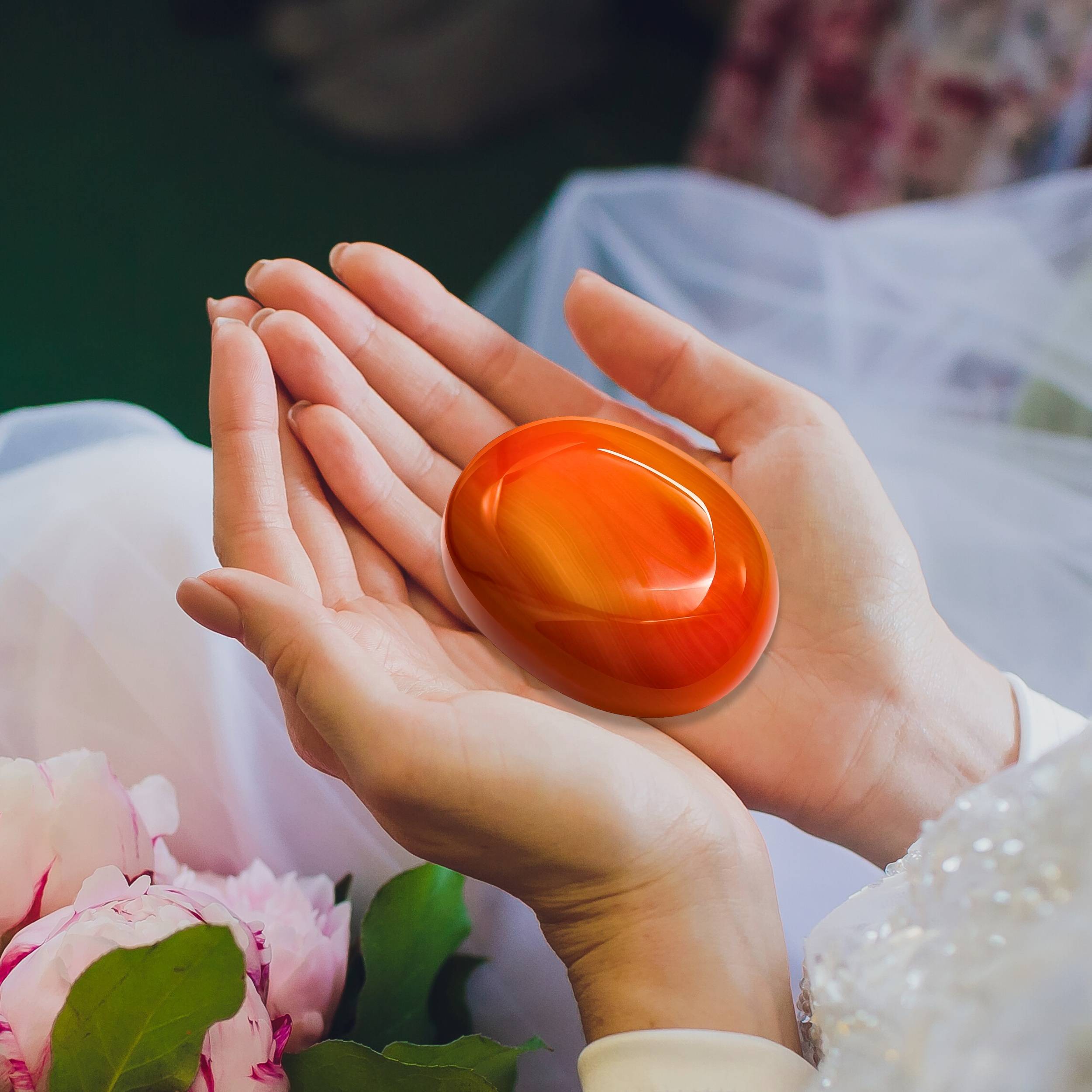
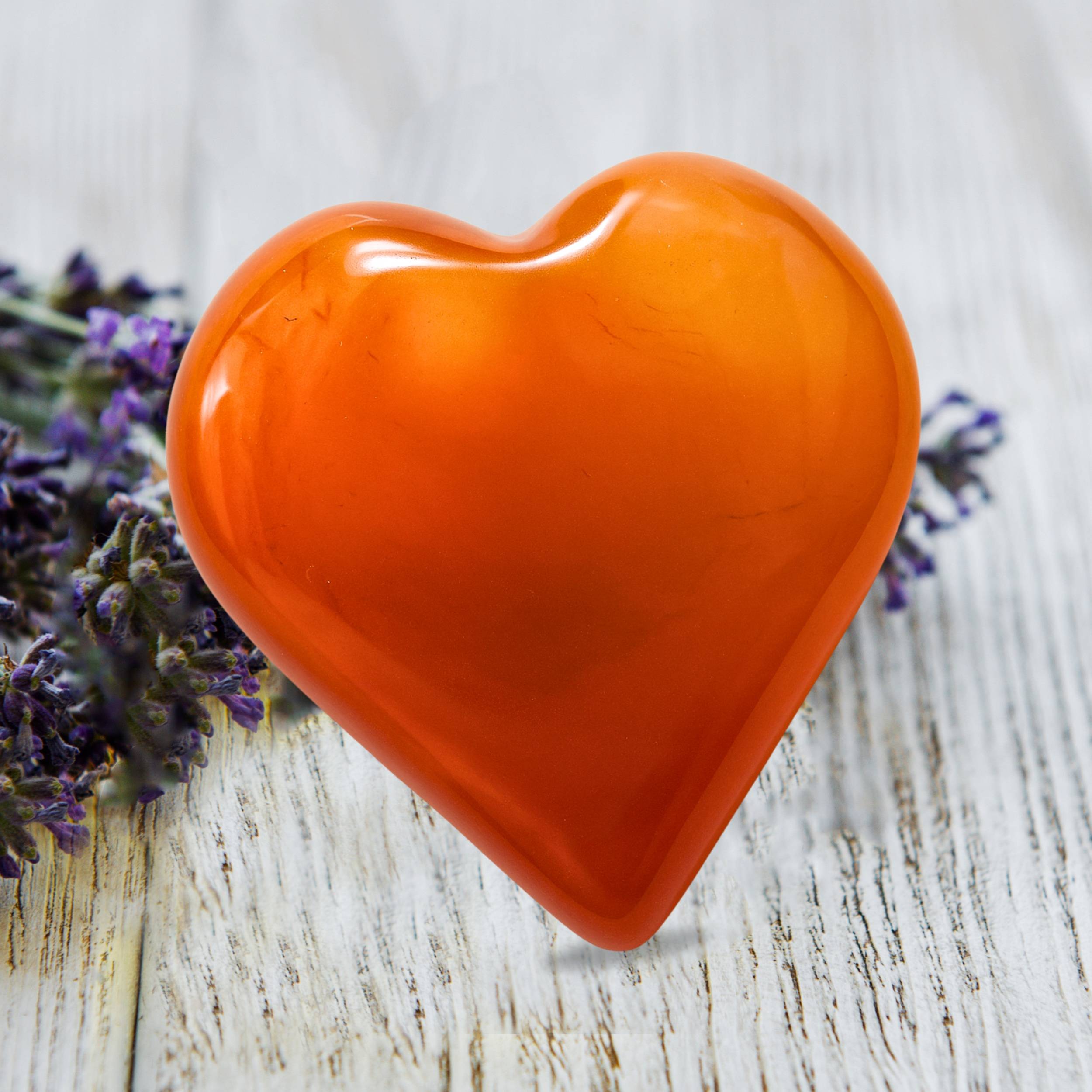
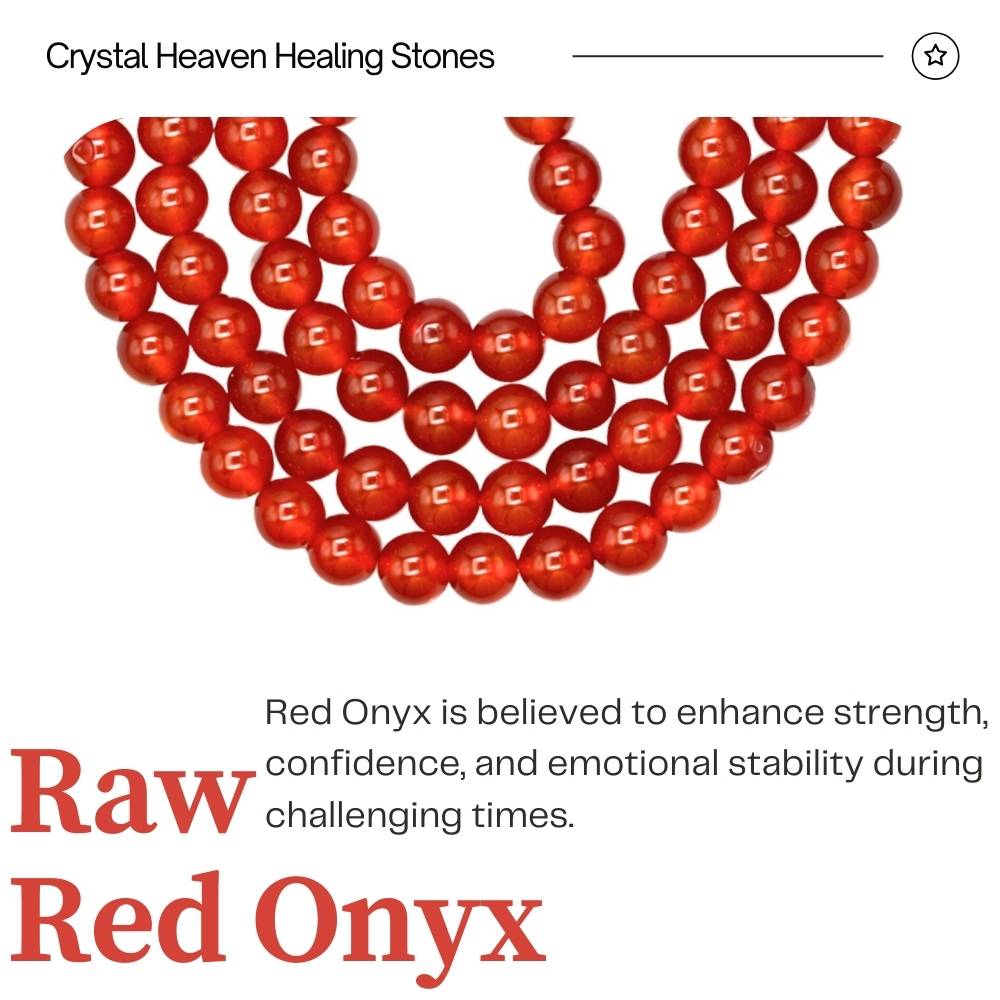
Red Onyx is a bold and grounding stone admired for its deep red to reddish-brown tones and smooth, polished appearance. A variety of banded chalcedony, Red Onyx has long been associated with strength, stability, protection, and emotional balance. Traditionally believed to enhance self-confidence, courage, and endurance, this stone is often used in meditation, energy work, and jewelry to promote inner strength and grounding. Red Onyx is valued for its ability to absorb negative energy and foster resilience, making it a powerful companion for those seeking balance, focus, and personal empowerment in daily life.
Healing Properties
Emotional Stability Confidence Focus Protective Energy Grounding Energy Positive Action Emotional Healing
Emotional Stability: Helps balance emotions, reduce mood swings, and promote calmness.
Confidence: Supports self-belief, assertiveness, and inner strength.
Focus: Encourages clear thinking, determination, and perseverance.
Protective Energy: Absorbs negative energy and shields against emotional or psychic stress.
Grounding Energy: Anchors scattered energy, promoting focus and inner stability.
Positive Action: Helps transform fear and doubt into confidence and motivation.
Emotional Healing: Helps release fear, grief, and negative emotional patterns.
Metaphysical Properties
 Anchors
energy to the earth, promoting balance and security.
Anchors
energy to the earth, promoting balance and security.
- Shields
against negative energies, emotional drain, and psychic interference.
- Enhances
self-confidence, courage, and determination.
- Balances
chaotic or scattered energy within the aura.
- Helps
release unhealthy habits and negative patterns.
- Helps
align physical, emotional, and spiritual energies.
- Keeps
spiritual exploration grounded and centered.
- Supports
persistence, clarity, and goal-oriented thinking.
Anchors
energy to the earth, promoting balance and security.Zodiac Birthstone
Red Onyx is especially beneficial for zodiac signs that value strength, stability, and determination. It resonates strongly with Leo, enhancing confidence, courage, and leadership qualities. Capricorn benefits from its grounding energy, supporting discipline, focus, and perseverance. Aries is also aligned with Red Onyx, as the stone helps channel fiery energy into productive action while promoting emotional balance. Although not a traditional birthstone, Red Onyx is widely used in modern crystal practices to help these signs cultivate inner strength, resilience, and grounded confidence.
What Chakra is Red Onyx?
Red Onyx is primarily associated with the Root Chakra (Muladhara). Its strong grounding energy promotes stability, security, and emotional strength, helping to anchor scattered energy and reduce fear or anxiety. Red Onyx also gently stimulates the Sacral Chakra (Svadhisthana), enhancing vitality, motivation, and creative energy. By working with these chakras, Red Onyx supports confidence, endurance, and balanced emotional energy, making it an excellent stone for grounding, empowerment, and inner stability.
How to Cleanse & Charge Red Onyx?
Red Onyx can be gently cleansed by wiping it with a soft, dry cloth to remove surface dust and impurities. For energetic cleansing, use sage, incense, or sound vibrations such as a bell or singing bowl to clear negative or stagnant energy. Avoid soaking Red Onyx in water or exposing it to harsh sunlight for extended periods, as this may affect its natural color and finish.
To charge Red Onyx, place it under moonlight for a few hours or overnight, or hold it in your hands while setting intentions for strength, grounding, and protection. You can also place it near clear quartz or selenite to gently amplify its energy. Keeping the stone in a clean, calm space when not in use helps maintain its stabilizing and empowering vibrations.
How to Spot Fake Red Onyx?
Genuine Red Onyx has natural banding or subtle color variations and a smooth, cool, and dense feel. Fake Red Onyx often appears too bright, overly uniform, or artificially glossy, which may indicate dyeing or synthetic materials. Look closely at the color—real stones usually show depth and uneven tones, while dyed stones may have color concentrated in cracks or edges. Glass or resin imitations tend to feel lighter and warmer to the touch. For authenticity, always buy from reputable sellers and ask whether the stone has been dyed or treated.
Final Thoughts